

Navigation
Send Us A Message
Methanol
CAS No.: 67-56-1 <br/>Molecular Formula: CH4O<br/>Molecular weight: 32.04
N,N-Dimethylformamide
CAS No.: 68-12-2<br/>Molecular Formula: C3H7NO<br/>Molecular weight: 73.09<br/>
Ethylene Glycol
CAS No.: 107-21-1<br/>Molecular Formula: C2H6O2<br/>Molecular weight: 62.07
Aniline
CAS No.: 62-53-3 <br/>Molecular Formula: C6H7N <br/>Molecular weight: 93.13
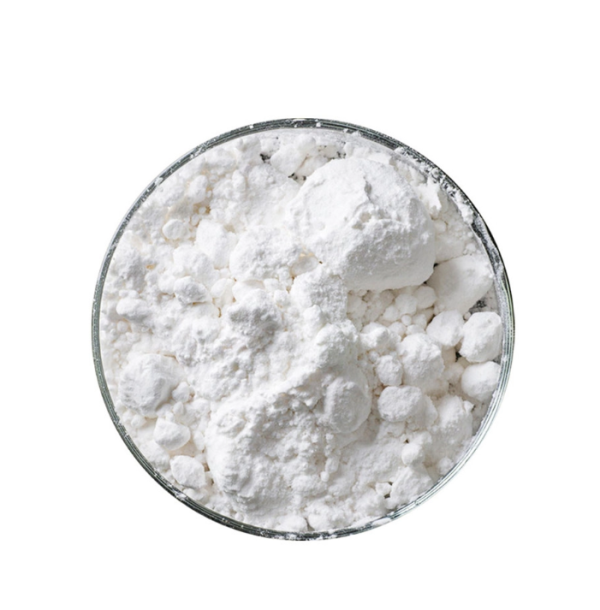
Sodium Amide
CAS No.: 7782-92-5<br/>Molecular Formula: H2NNa<br/>Molecular weight: 39.01
Formaldehyde
CAS No.:50-00-0<br/>Molecular Formula:CH2O<br/>Molecular weight:30.03
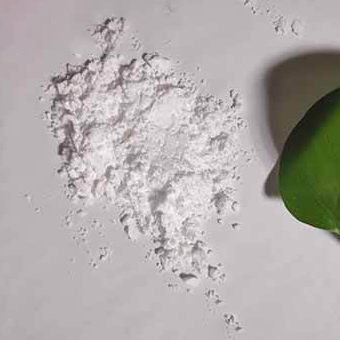
Melamine-Phosphate
CAS No.: 41583-09-9<br/>Molecular Formula: C3H9N6O4P<br/>Molecular weight: 224.12
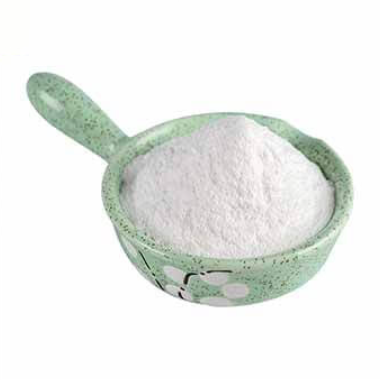
Ethylenediaminetetraacetic Acid Tetrasodium Salt Trihydrate
CAS No.:67401-50-7<br/>Molecular Formula: C10H18N2Na4O11<br/>Molecular weight: 434.22
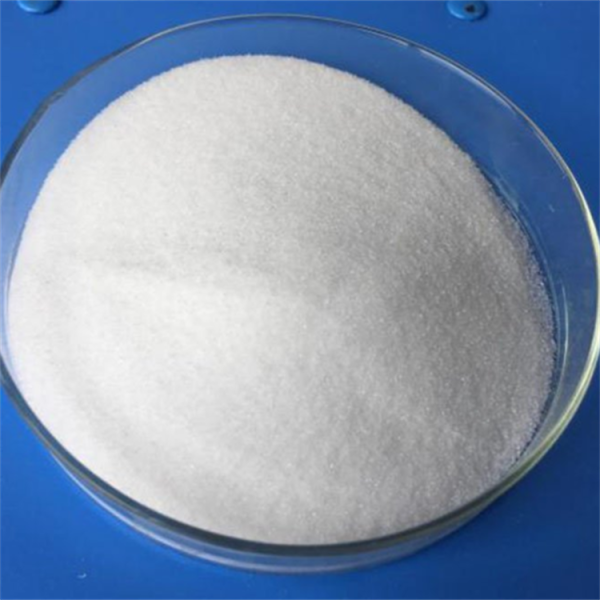
Cellulose (High Viscosity)
CAS No.: 9004-34-6<br/>"High-viscosity cellulose" usually refers to high-viscosity cellulose derivatives, mainly high-viscosity sodium carboxymethyl cellulose (HV-CMC) or high-viscosity hydroxypropyl methyl cellulose (HPMC). These are water-soluble cellulose ethers characterized by high thickening, water retention, or film-forming properties.
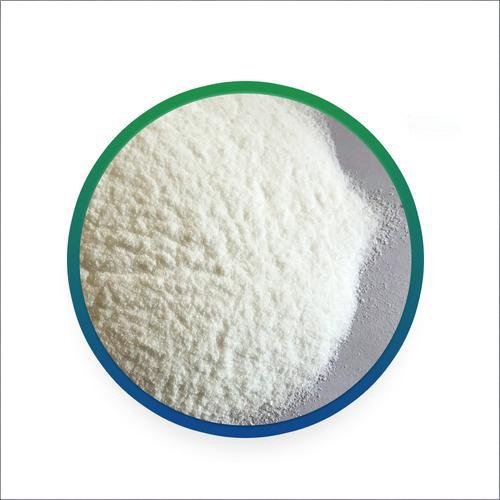
Pagoclone
CAS No.: 133737-48-1<br/>Molecular Formula: C23H22ClN3O2<br/>Molecular weight: 407.89
Cellulose (Low Viscosity)
CAS No.: 9004-34-6<br/>Cellulose is the most widely distributed and abundant renewable organic resource in nature. As a polysaccharide carbohydrate, cellulose has wide applications in industry, medicine, food, and daily chemicals.
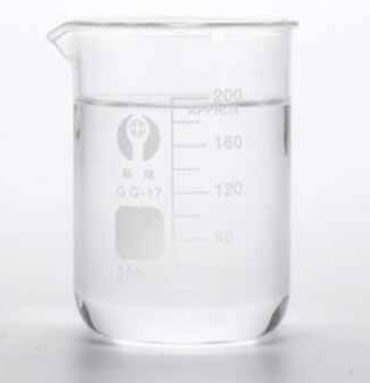
Triethylamine
CAS No.: 121-44-8 <br/>Molecular Formula: C6H15N<br/>Molecular weight: 101.19